
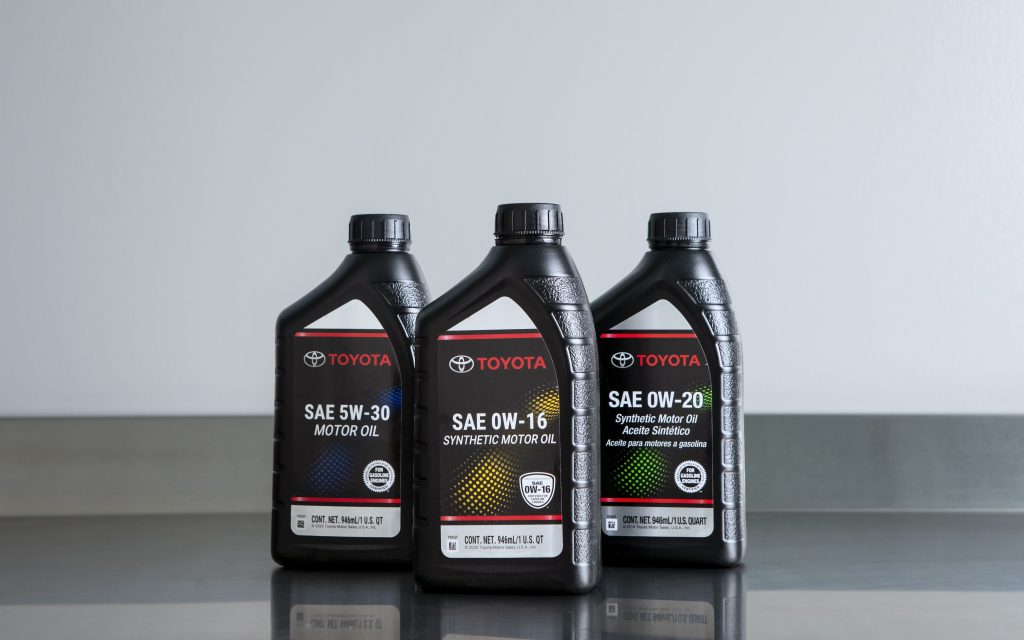
In the world of engine lubrication, synthetic oil has gained significant popularity over the years. This advanced form of motor oil offers numerous advantages over conventional mineral-based oils. From improved engine performance to enhanced longevity, synthetic oil provides a range of benefits for vehicle owners. However, it’s essential to weigh the advantages against the disadvantages and consider the cost implications before making the switch.
Advantages of Synthetic Oil:
- Enhanced Engine Performance: Synthetic oil exhibits superior lubrication properties compared to conventional oils. Its unique molecular structure ensures better flow, reduces friction, and minimizes wear and tear on engine parts. This leads to improved overall engine performance, including increased horsepower, smoother operation, and better fuel efficiency.
- Superior Protection and Longevity: Synthetic oil provides exceptional protection against engine deposits, sludge, and varnish buildup. Its advanced formulation resists oxidation and thermal breakdown, ensuring the oil remains clean and effective for longer durations. This extended oil life reduces the frequency of oil changes, saving time and money in the long run.
- Improved Cold-Weather Performance: Synthetic oil has a lower pour point, making it flow more efficiently at low temperatures compared to conventional oil. This attribute allows for easier cold starts, reducing engine wear during critical moments when oil is needed most. Additionally, synthetic oil maintains its viscosity better under extreme temperature conditions, ensuring consistent engine protection in hot climates as well.
- Decreased Oil Consumption: Synthetic oil has a lower evaporation rate than conventional oil, resulting in reduced oil consumption. This feature is especially beneficial for older engines or those with minor leaks, as synthetic oil helps maintain optimal oil levels and prevents unnecessary engine stress caused by oil loss.

Disadvantages of Synthetic Oil:
- Higher Cost: One of the significant drawbacks of synthetic oil is its higher price compared to conventional oil. Synthetic oils undergo complex manufacturing processes and use advanced additives, leading to increased production costs. While the upfront cost may be higher, it’s important to consider the long-term benefits and potential savings associated with using synthetic oil.
- Potential Seal Compatibility Issues: Synthetic oil’s unique chemical composition can sometimes cause compatibility issues with certain engine seals and gaskets. This issue is more prevalent in older vehicles with aged seals. However, modern synthetic oils are formulated to be compatible with most engine components, and seal compatibility concerns are less of an issue than in the past.

Cost Comparison:
While synthetic oil may have a higher initial cost, its extended lifespan can offset the price difference when compared to conventional oil. Conventional oil typically requires more frequent changes (around every 3,000 to 5,000 miles) compared to synthetic oil (which can last up to 10,000 to 15,000 miles or even longer). By reducing the number of oil changes, synthetic oil can save both time and money in the long term.
Moreover, synthetic oil’s superior protection and improved engine performance can lead to potential savings in repair and maintenance costs. The long-term benefits of synthetic oil, including increased fuel efficiency and reduced engine wear, can contribute to extended engine life and fewer expensive repairs.
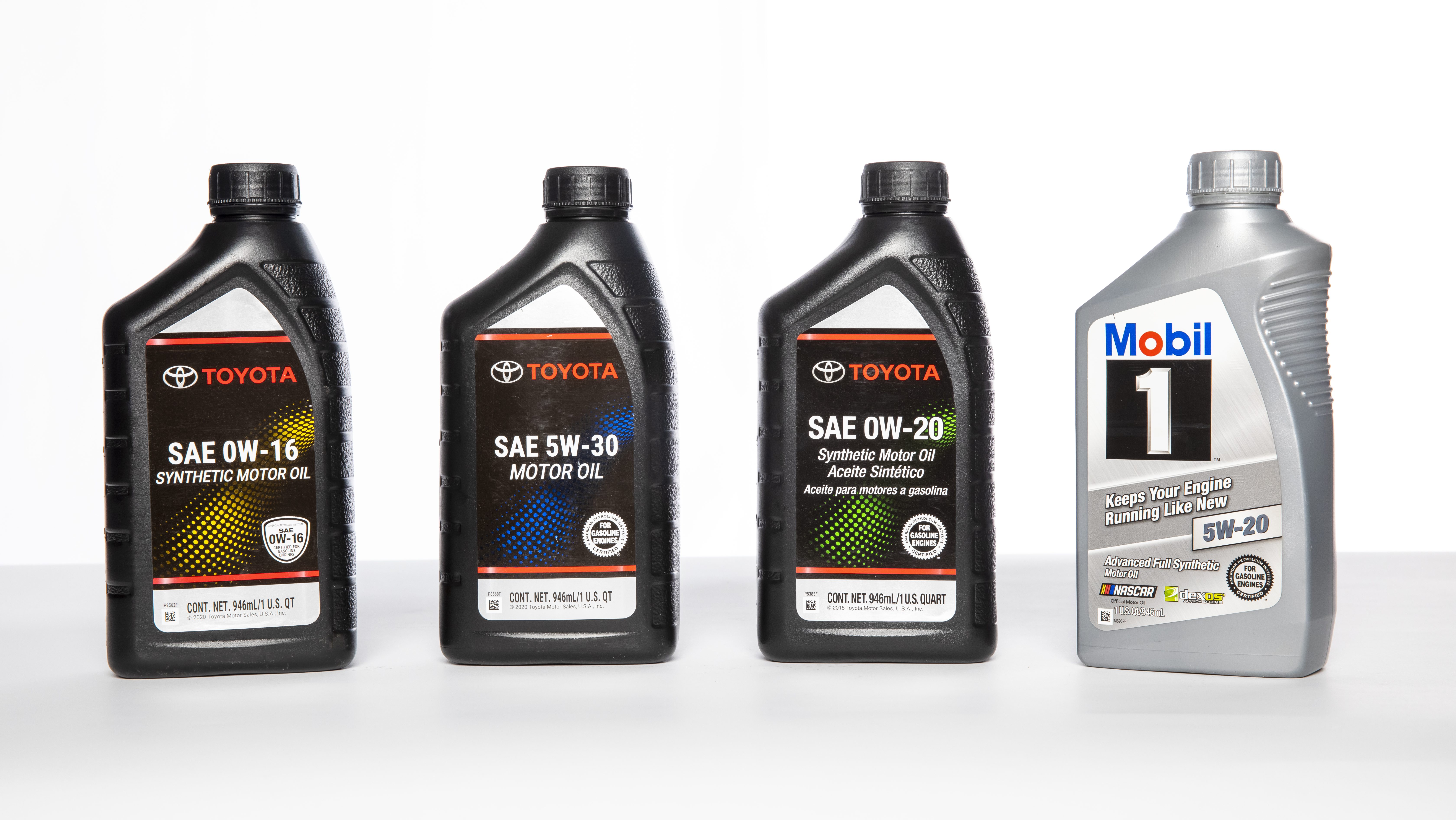
Ultimately, the decision to switch to synthetic oil should be based on the specific needs of your vehicle, driving conditions, and budget. Consulting with a trusted mechanic or reviewing your vehicle’s manufacturer recommendations can help you make an informed choice about the type of oil that best suits your requirements.
 Good Carma
Leave a comment