
The car battery is an essential component that provides the necessary power to start your vehicle and run various electrical systems. However, like any other part of your car, the battery is susceptible to issues that can leave you stranded. In this blog post, we will explore some common car battery issues and provide you with tips on how to prevent them, ensuring a trouble-free driving experience.
1. Battery Corrosion:
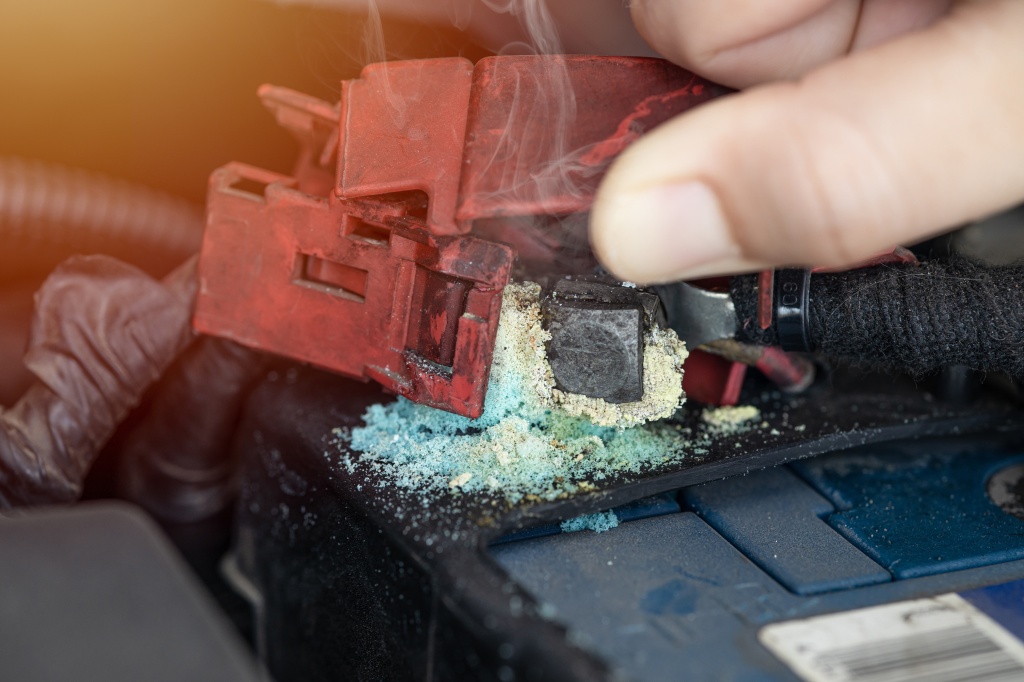
One of the most common problems with car batteries is corrosion buildup on the terminals. Corrosion can hinder the flow of electricity and lead to starting problems. To prevent this issue, regularly inspect your battery terminals for any signs of corrosion. If you notice a white, powdery substance, use a mixture of baking soda and water to clean the terminals with a wire brush. Applying a thin layer of petroleum jelly or terminal protectors afterward can help prevent future corrosion.
2. Dead Battery:
A dead battery is a frustrating situation that often occurs when the battery is old or has been drained due to leaving the lights on or using electrical accessories without the engine running. To prevent a dead battery, avoid leaving your lights on when the engine is off and be mindful of using power-hungry devices for an extended period with the engine off. Additionally, regularly inspect your battery’s condition and consider replacing it if it is more than three to five years old, as older batteries are more prone to failure.
3. Undercharging or Overcharging:
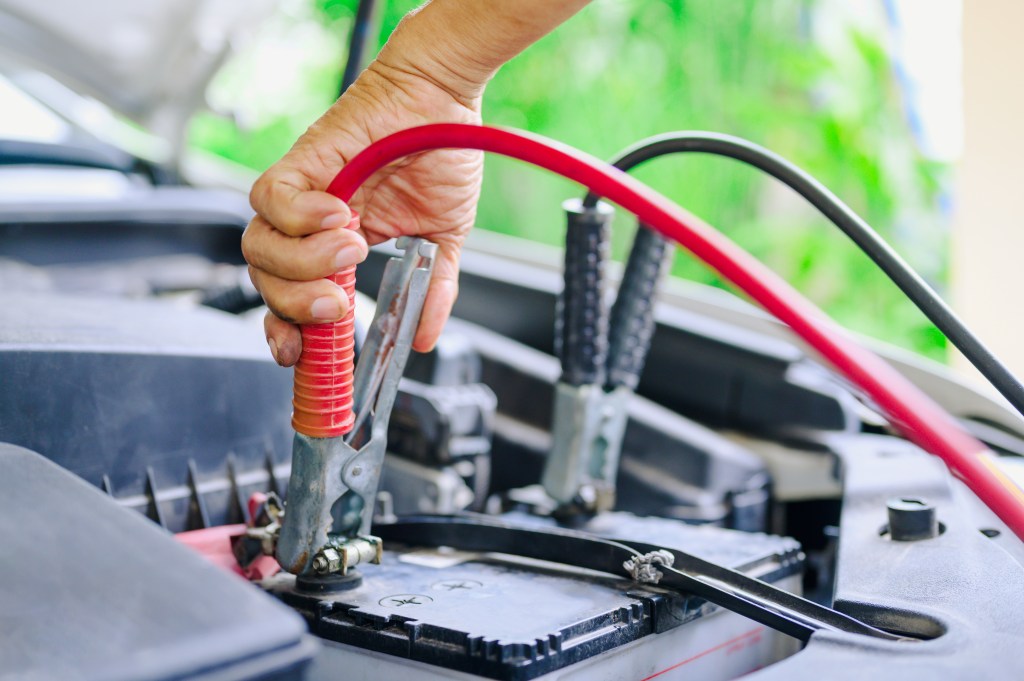
Improper charging can significantly impact the lifespan and performance of your car battery. Undercharging can lead to sulfation, a buildup of lead sulfate crystals that reduces the battery’s capacity. On the other hand, overcharging can cause the battery to overheat, leading to electrolyte loss and potential damage. To prevent these issues, ensure that your vehicle’s charging system is in good working condition. Consider having your battery and charging system tested regularly by a professional to ensure they are functioning optimally.

4. Extreme Temperatures:
Extreme temperatures, both hot and cold, can adversely affect the performance of your car battery. In hot weather, the heat can cause fluid evaporation and lead to internal damage. Conversely, in cold weather, the battery’s capacity decreases, making it more challenging to start the vehicle. To minimize the impact of temperature extremes, park your car in shaded areas whenever possible, especially in hot weather. During cold weather, consider using a battery insulation blanket or parking your car in a garage to protect it from freezing temperatures.
5. Electrical Drain:
Leaving electrical devices plugged in or the car’s electronics on when the engine is off can cause unnecessary drain on the battery. Common culprits include leaving interior lights, phone chargers, or entertainment systems running. Develop a habit of turning off all electrical accessories before turning off the engine to prevent unnecessary battery drain.
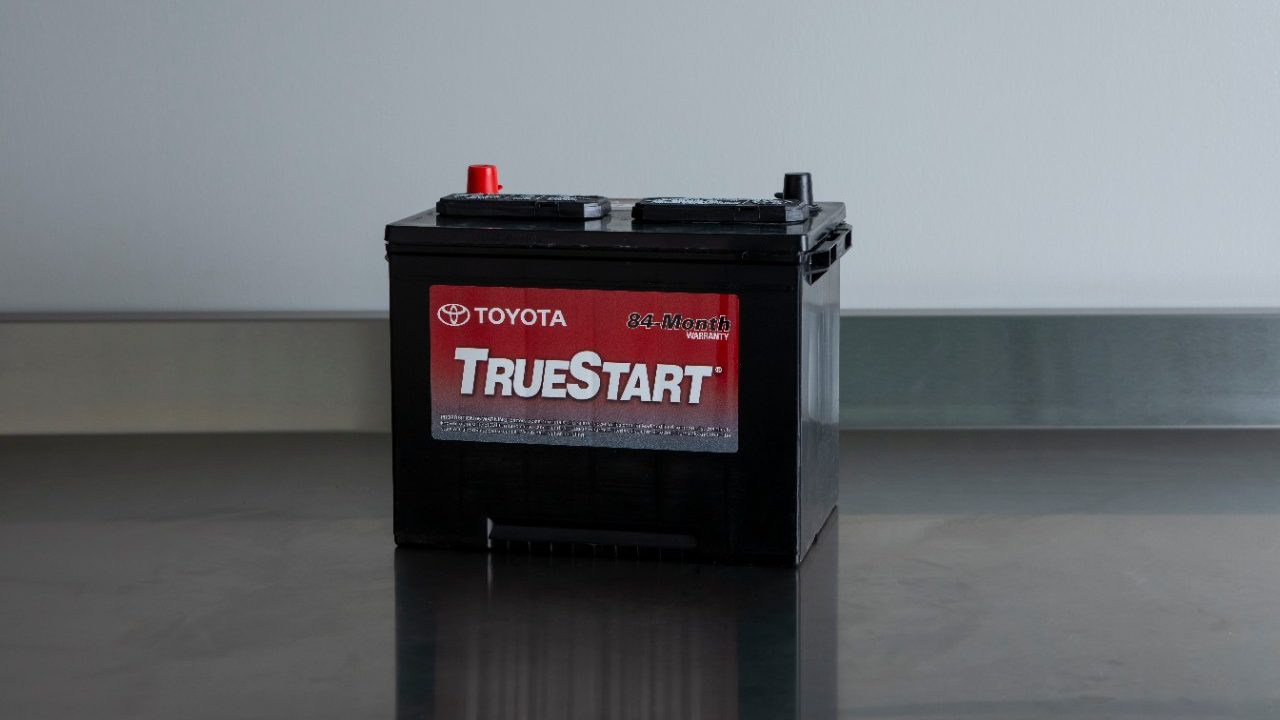
Taking care of your car battery is crucial to ensure reliable vehicle performance. By understanding common battery issues and implementing preventative measures, you can extend the life of your battery and avoid being stranded due to a dead or malfunctioning battery. Remember, prevention is key when it comes to car battery issues, so take proactive steps to avoid potential problems and enjoy a hassle-free driving experience.
 Good Carma
Leave a comment