
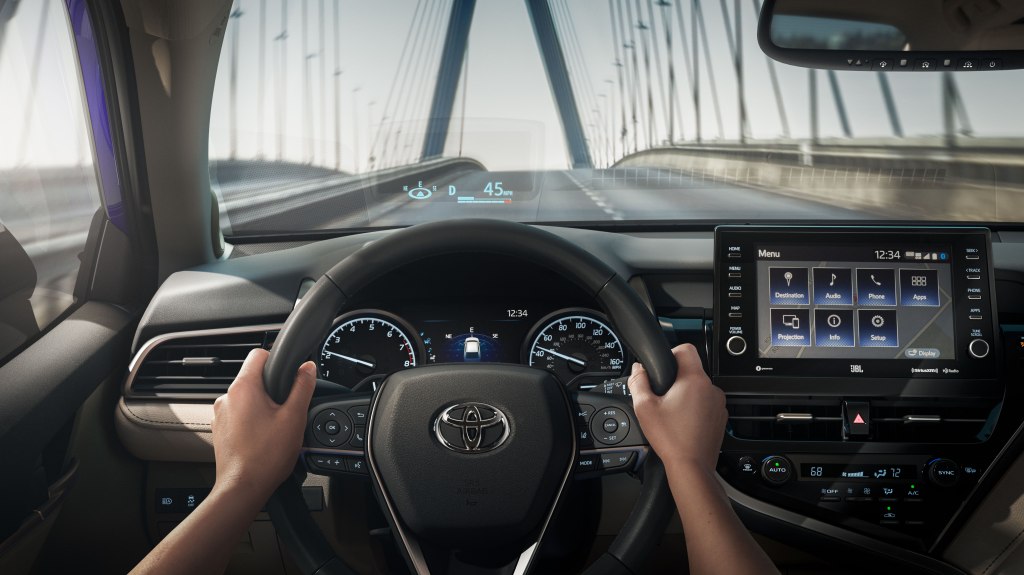
Test driving a car is an essential part of the car-buying process. It allows you to experience the vehicle firsthand and determine if it meets your expectations and requirements. However, it’s not just about getting behind the wheel and going for a spin. A test drive is an opportunity to assess the car’s performance, comfort, and suitability for your needs.
- Preparing for the Test Drive:
Before heading to the dealership, it’s important to do some research. Identify the make and model you’re interested in, understand its specifications, and compare it to similar vehicles in the market. Determine your budget and what features are essential to you. Once you have this information, you’re ready to schedule a test drive.
2. Exterior Inspection:
Upon arriving at the dealership, take a few moments to inspect the car’s exterior. Look for any visible damage or signs of poor maintenance. Check the tires for proper inflation and tread depth. Pay attention to the overall condition and cleanliness of the vehicle. While these factors may not directly impact the driving experience, they can provide insights into how the car has been cared for.
3. Interior Evaluation:
Step inside the car and assess its interior. Check the seats for comfort and adjustability, ensuring they suit your body type and preferences. Assess the visibility from the driver’s seat, considering blind spots and the overall layout of the controls. Examine the quality of materials and the general build quality. Take note of the available space for passengers and cargo, especially if it’s a factor that matters to you.

4. Driving Experience:
The test drive itself is the most critical aspect of evaluating a car. Start the engine and pay attention to how it sounds and feels. Take note of the acceleration and braking performance. Test the steering response and how well the car handles corners and turns. Evaluate the suspension and ride comfort on different road surfaces. Try out different driving modes or features, such as adaptive cruise control or lane-keeping assist if available. Test the car’s visibility and ease of parking in a crowded area. Focus on elements that are important to you, such as fuel efficiency, acceleration, or towing capacity, based on your needs.
5. In-Car Technology and Features:
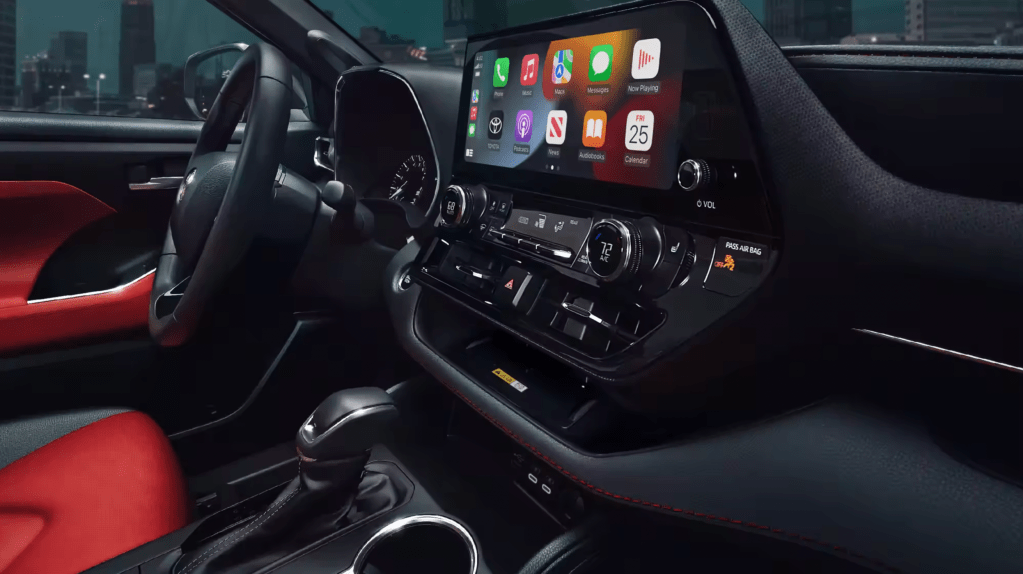
While driving, familiarize yourself with the car’s technology and features. Test the infotainment system, navigation, and connectivity options. Evaluate the quality and ease of use of the audio system. Experiment with the climate control settings and other comfort features. If the car has advanced safety features, such as forward collision warning or blind-spot monitoring, test them to ensure they work effectively.
6. Questions to Ask:
Engage with the salesperson or representative accompanying you during the test drive. Don’t hesitate to ask questions to clarify any doubts or gather additional information. Here are some examples of questions you may consider asking:
- What is the vehicle’s maintenance history?
- Does it come with a warranty, and what does it cover?
- Can you explain the car’s safety features in detail?
- What are the available financing or leasing options?
- What is the expected fuel economy for this model?
A test drive is your opportunity to assess a car’s performance, comfort, and suitability for your needs. By preparing in advance, conducting a thorough inspection, evaluating the driving experience, and asking the right questions, you can make an informed decision. Remember to trust your instincts and choose a vehicle that aligns with your preferences, budget, and lifestyle. Happy test driving!
 Good Carma
Leave a comment