

Proper tire pressure is vital for maintaining the safety, performance, and longevity of your vehicle’s tires. Unfortunately, many drivers overlook this crucial maintenance task, leading to increased fuel consumption, uneven tire wear, and potential safety risks. In this blog post, we will provide you with a step-by-step guide on how to check your tire pressure effectively, helping you keep your tires properly inflated and ensuring a smoother, safer driving experience.
Why Tire Pressure Matters
Maintaining the correct tire pressure offers numerous benefits. It improves fuel efficiency, reduces the risk of tire failure, enhances vehicle handling and braking capabilities, and extends tire lifespan. By regularly checking and adjusting your tire pressure, you can save money, reduce your carbon footprint, and enhance your overall driving experience.
Step-by-Step Guide to Checking Tire Pressure
- Gather the necessary tools:
- Tire pressure gauge: Choose a reliable and accurate gauge, preferably a digital one for ease of use.
- Air compressor (optional): In case your tire pressure needs adjustment.
- Identify the recommended tire pressure:
- Consult your vehicle’s owner’s manual: The manufacturer’s recommended tire pressure can usually be found in the manual.
- Check the placard: The tire pressure specifications may also be located on a placard inside the driver’s side door jamb, glove compartment, or fuel door.
- Park your vehicle on level ground:
- Find a safe and level spot to park your car.
- Engage the parking brake to prevent any movement.
- Locate the valve stem:
- The valve stem is a small, cylindrical protrusion on the wheel.
- Remove the valve cap by unscrewing it and set it aside in a secure place.
- Check the tire pressure:
- Attach the tire pressure gauge to the valve stem by firmly pressing it down.
- Ensure a proper seal by pressing evenly and firmly.
- Read the pressure measurement displayed on the gauge.
- Compare the measured pressure:
- Compare the measured pressure to the recommended pressure specified by the manufacturer.
- If the pressure is lower than the recommended level, your tires are underinflated.
- If the pressure is higher than the recommended level, your tires are overinflated.
- Adjust the tire pressure:
- If the tire pressure is too low, use an air compressor to add air until it reaches the recommended level.
- If the tire pressure is too high, release air by gently pressing the valve stem or using the gauge’s air release valve.
- Recheck the tire pressure:
- After adjusting the pressure, reattach the gauge to the valve stem and verify that it matches the recommended pressure.
- Repeat for all tires:
- Perform the same steps for each tire, including the spare tire.
- Remember that front and rear tires may require different pressure levels, so consult your vehicle’s specifications.
- Replace the valve caps:
- Once you have finished checking and adjusting all tires, securely screw the valve caps back on each valve stem.
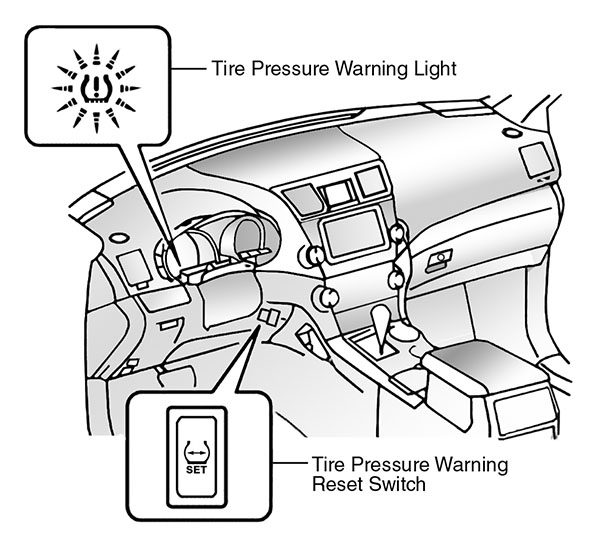
Regularly checking your tire pressure is a simple yet crucial task that should not be overlooked. By following this step-by-step guide, you can ensure that your tires remain properly inflated, leading to improved safety, performance, and fuel efficiency. Make it a habit to check your tire pressure at least once a month, and always before long trips or during extreme temperature changes. By taking care of your tires, you’ll enjoy a smoother, safer ride while maximizing their lifespan and saving money on fuel costs.
Need new tires? Shop here.
 Good Carma
Leave a comment